Why slabs and walls crack in Tarneit: reactive clay explained
Tarneit sits on Werribee Plains basalt clay. Here is how Class H1 and H2 soils move, what is normal, and what is a defect.




In short: Tarneit's H1 and H2 clay moves with the seasons. Hairline cracks are normal; growing, stepped or wide cracks need measuring against the VBA Guide, and drainage is the owner's main lever.
What is under Tarneit
The suburb sits on the Newer Volcanics basalt plain with clay soils over rock. Soil reports commonly classify sites as H1 or H2 under AS 2870, meaning high surface movement between wet and dry seasons.
How movement shows up
Hairline cracks in plaster and cornices, stepped cracking in brickwork near corners, doors and windows that stick in winter and free up in summer, and gaps at skirtings.
Normal or defect
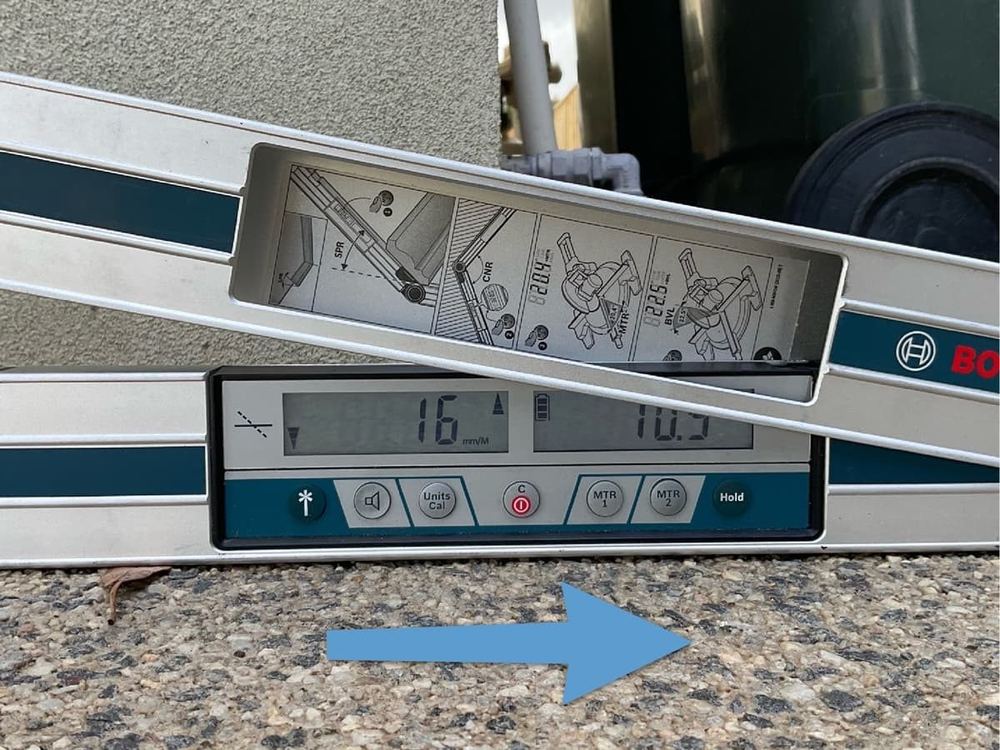
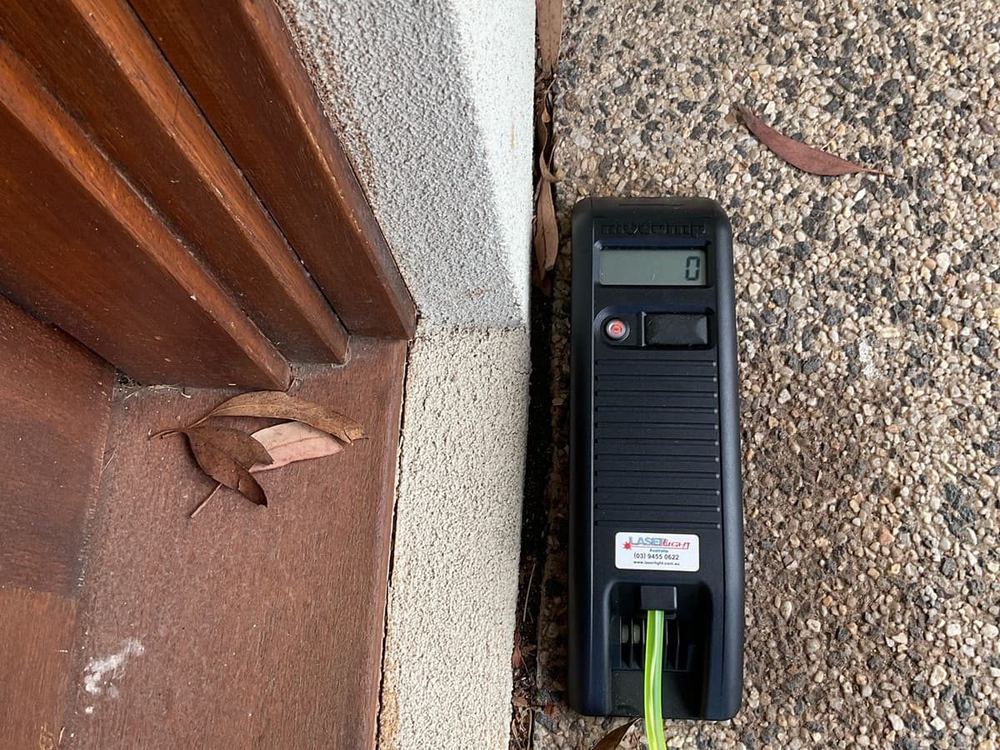
The VBA Guide to Standards and Tolerances sets crack widths that are acceptable. Cracks wider than the guide, cracks that keep growing, or cracks with visible slab tilt need investigation and may be a slab design or drainage issue.
What owners control
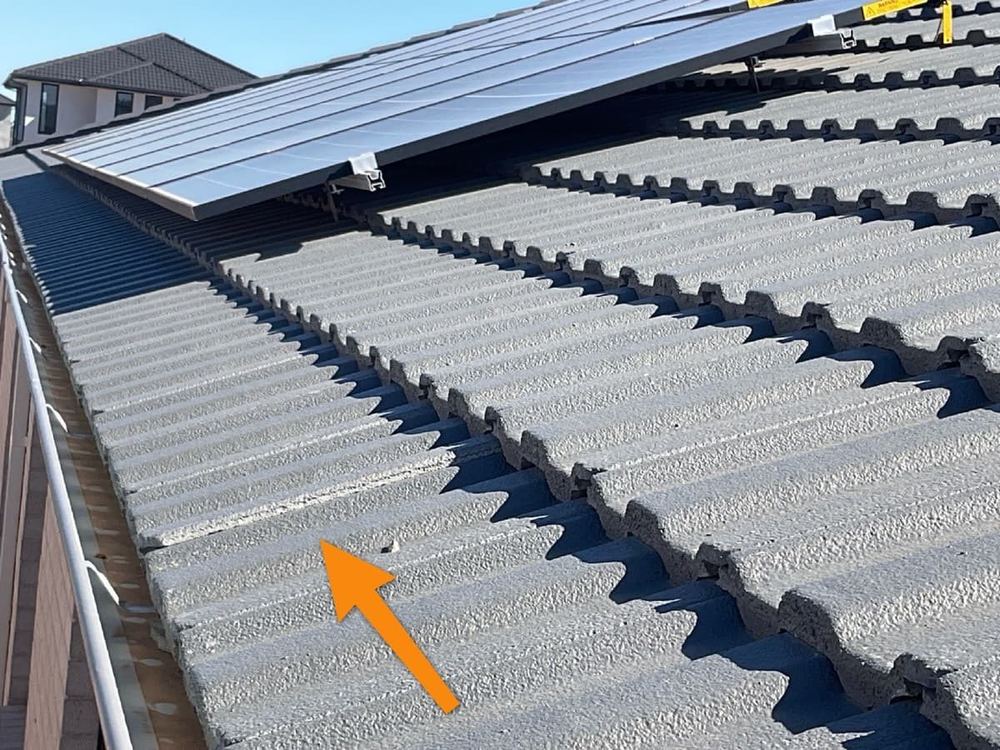
Keep the soil moisture even: no garden beds against the slab, downpipes connected to stormwater, paths falling away from the house, and no large trees within their mature height of the slab.
Written by the Owner Inspections team from inspections carried out in Tarneit. Licensed building practitioners, Building & Plumbing Commission registration CDB-U 53425.